A History of Teaching
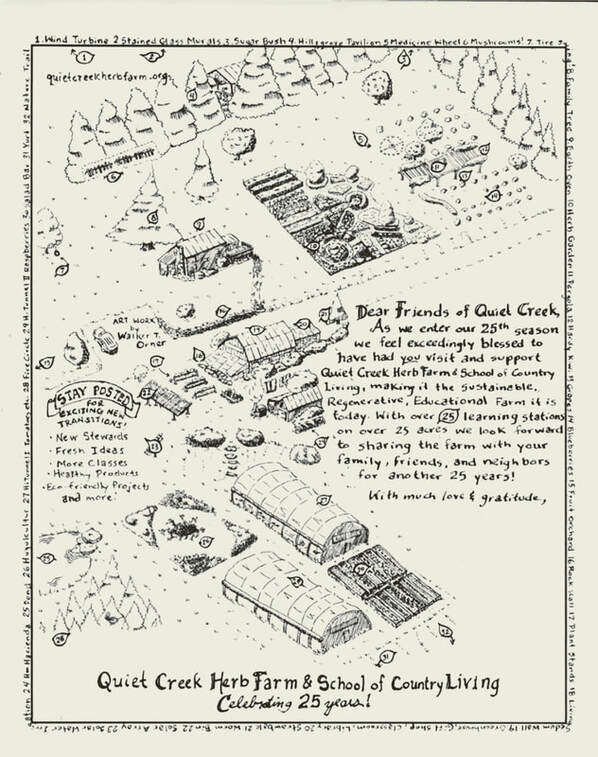
Quiet Creek Herb Farm & School of Country Living Inc. is dedicated to educating all ages about the importance of conservation, ecological thinking, and healthful living. Quiet Creek is a 30-acre organic farm located just north of Brookville in Jefferson and Clarion Counties, Pennsylvania. Quiet Creek raises vegetables, fruits, herbs, mushrooms and flowers. The farm uses only organic techniques when fertilizing the plants, controlling weeds, and managing insects, bacteria, and fungi. Since 1996, Quiet Creek has offered unique and enhanced learning opportunities to over 100,000 public, private and home-schooled students.
Quiet Creek became a non-profit 501(c)(3) educational farm in 2003 and offers year-round educational opportunities to all ages, preschool through seniors. The classes explore sustainability, environmental stewardship and healthy lifestyle choices. Past programs have focused on whole foods, connections of the soil-food web, growing in all seasons, developing science skills through inquiry, experiment and observation, healthy watersheds, solar/wind power generation, worm composting, integrated pest management, bread-making, soap-making and more. Claire and Rusty Orner have been stewards of Quiet Creek since 1996. Combined, the Orners have over 40 years of teaching experience and 60 years of organic farming experience.
In addition to Claire and Rusty, Quiet Creek hires certified teachers who are qualified early childhood specialists with their security clearances. In addition to education, Quiet Creek is recognized as a community resource for information on nutrition, healthy choices, and frugal self-reliance: gardening, cooking, food preservation, composting etc.
Quiet Creek programs reach students in all their different modes of learning. Activities are designed to engage all five senses and provide opportunities to be physically active and interact in groups. To create these experiences, the farm has many exhibits and facilities available.
Quiet Creek is a tobacco, alcohol, and drug free community. "Young Lungs at Work" signage reinforces the farm's mission to keep youth safe from substance exposure. Violators will be asked to discontinue any substance abuse, if the infraction continues the violator will be asked to leave. Please help us keep our youth healthy!
Examples of where this takes place on the farm include:
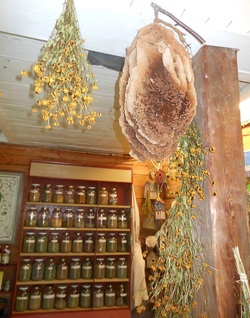
The SHOP
The first floor of Quiet Creek's renovated barn
acts as a resource center for Quiet Creek's soap, herbs, tinctures, salves, books, essential
oils, and more.
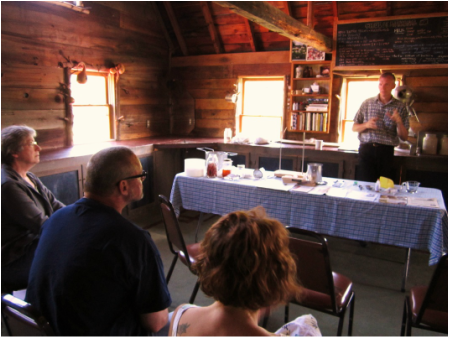
Rusty as he teaches a cheese making class
BARN CLASSROOM
The second floor of our renovated barn is a stage for indoor classrooms outfitted for full instruction and demonstrations from making soap to kim chi. The barn also houses a gardening library for in-depth research.
BARN CLASSROOM
The second floor of our renovated barn is a stage for indoor classrooms outfitted for full instruction and demonstrations from making soap to kim chi. The barn also houses a gardening library for in-depth research.
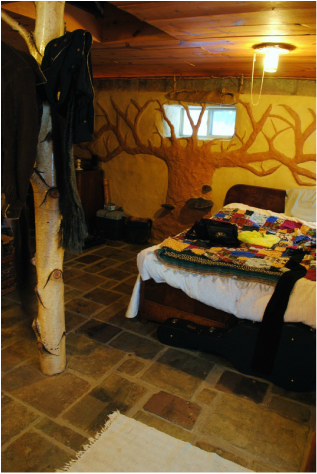
STRAW BALE ADDITION
The straw-bale house attached to the barn serves as a teaching tool for earthen building and creativity for your own living space ideas. It is a room filled with energy and art and sometimes is a classroom for specialty classes.
HI TUNNELS
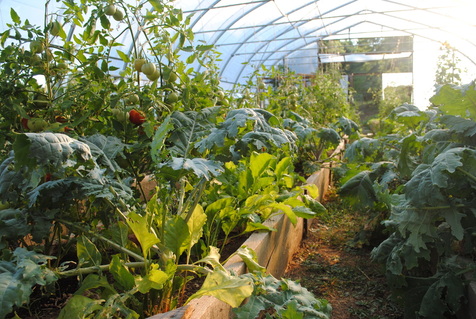
Two Hi-tunnels for outdoor growing space of over 50 raised beds offers local whole foods dining. Produce includes vegetables, fruits, flowers, mushrooms and herbs. There is also a twenty-foot arbor surrounded by blueberries, raspberries, apple and pear trees.
Two Hi-tunnels for outdoor growing space of over 50 raised beds offers local whole foods dining. Produce includes vegetables, fruits, flowers, mushrooms and herbs. There is also a twenty-foot arbor surrounded by blueberries, raspberries, apple and pear trees.
YURT
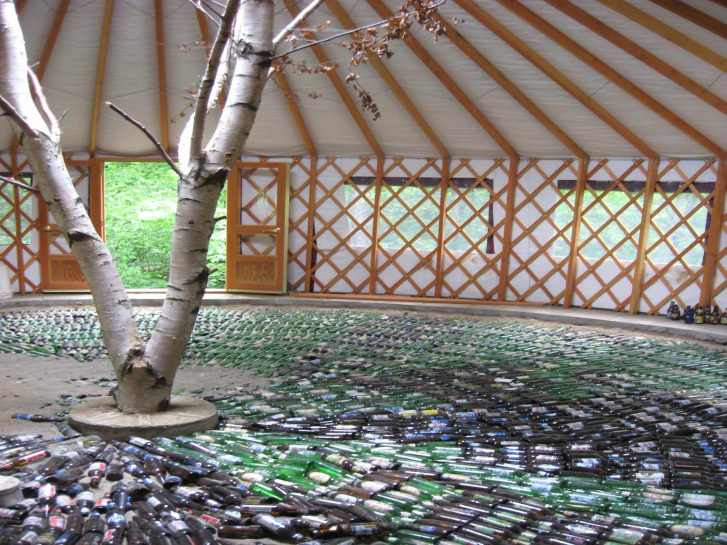
A 30-foot diameter yurt is available for reflective learning as well as hosting classes and overnight housing. The earthen floor is now complete with 5000 glass bottles underneath for thermal insulation.
PAVILION
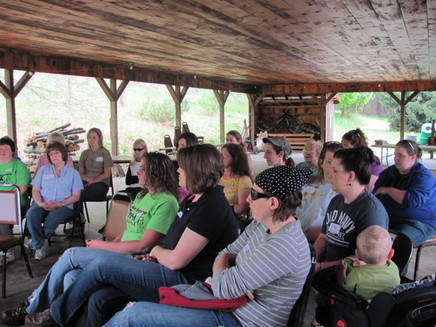
Outdoor pavilion accommodating more than 150 students for hands-on or lecture-style learning and organic dining. At times this is the location of an educational movie night, wedding or the very location for our Theater Camp performance!
Outdoor pavilion accommodating more than 150 students for hands-on or lecture-style learning and organic dining. At times this is the location of an educational movie night, wedding or the very location for our Theater Camp performance!
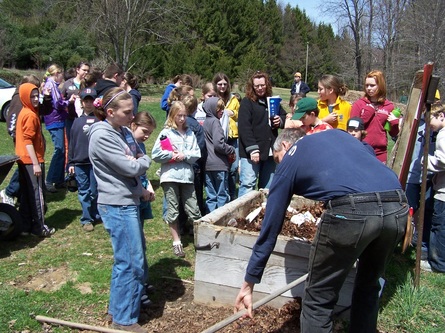
Rusty teaches kids on worm composting
COMPOSTING FACILITY
A Zero Waste worm composting program is in full operation to reduce, reuse, rot and recycle all farm wastes and student lunch leftovers. Students learn about their role in managing the waste stream.
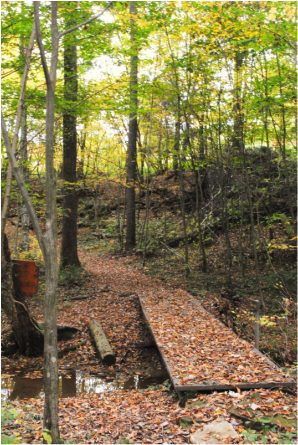
NATURE TRAIL
& STREAM
A surface water stream, wetlands, and ground water springs provide the setting for physical, chemical and biological watershed monitoring and exploration. It also provides a classroom to teach kids and adults about the local plants and mushrooms.
& STREAM
A surface water stream, wetlands, and ground water springs provide the setting for physical, chemical and biological watershed monitoring and exploration. It also provides a classroom to teach kids and adults about the local plants and mushrooms.
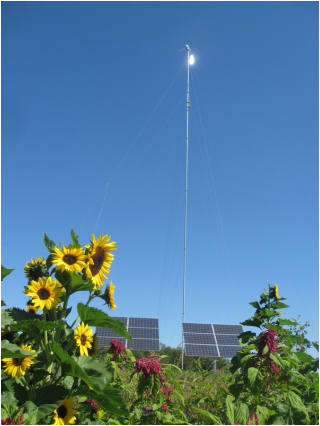
HYBRID RENEWABLE ENERGY SYSTEM
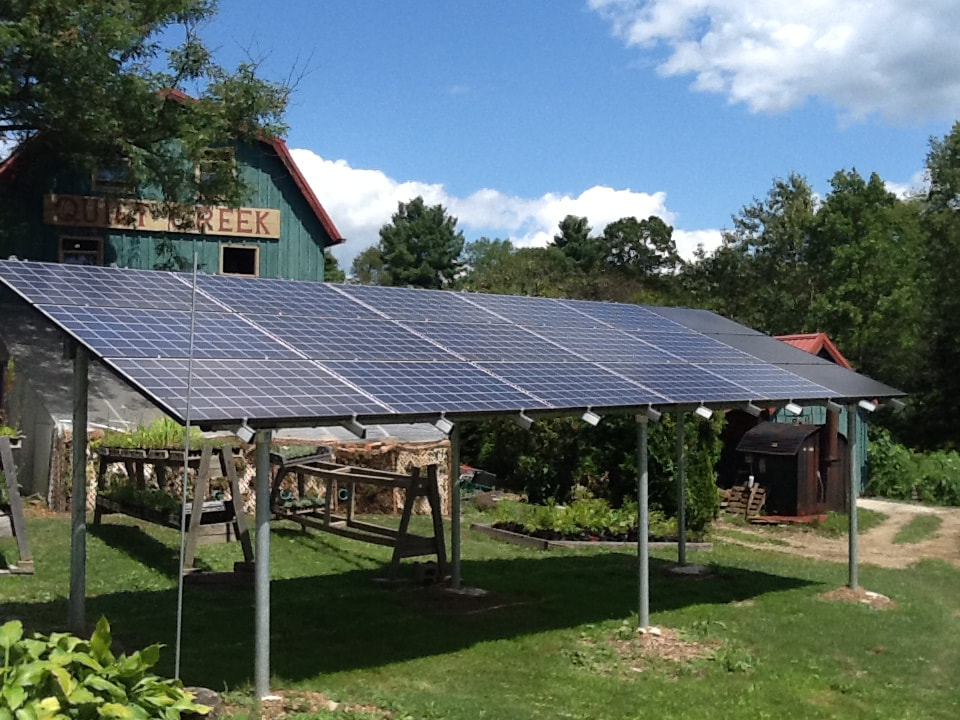
Quiet Creek generates the majority of electrical power with a 2.5kW wind turbine and 6.7 kW solar cell arrays with production data since 2009.
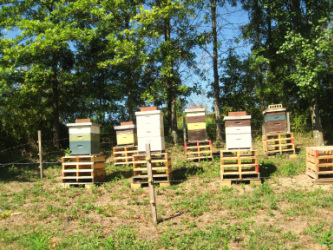
BEE HIVES
Outdoor hives provide the farm with excellent pollination to produce fruit from our crops. You can purchase the local honey and see the bees working face-to-face in the indoor observational hive in the shop.
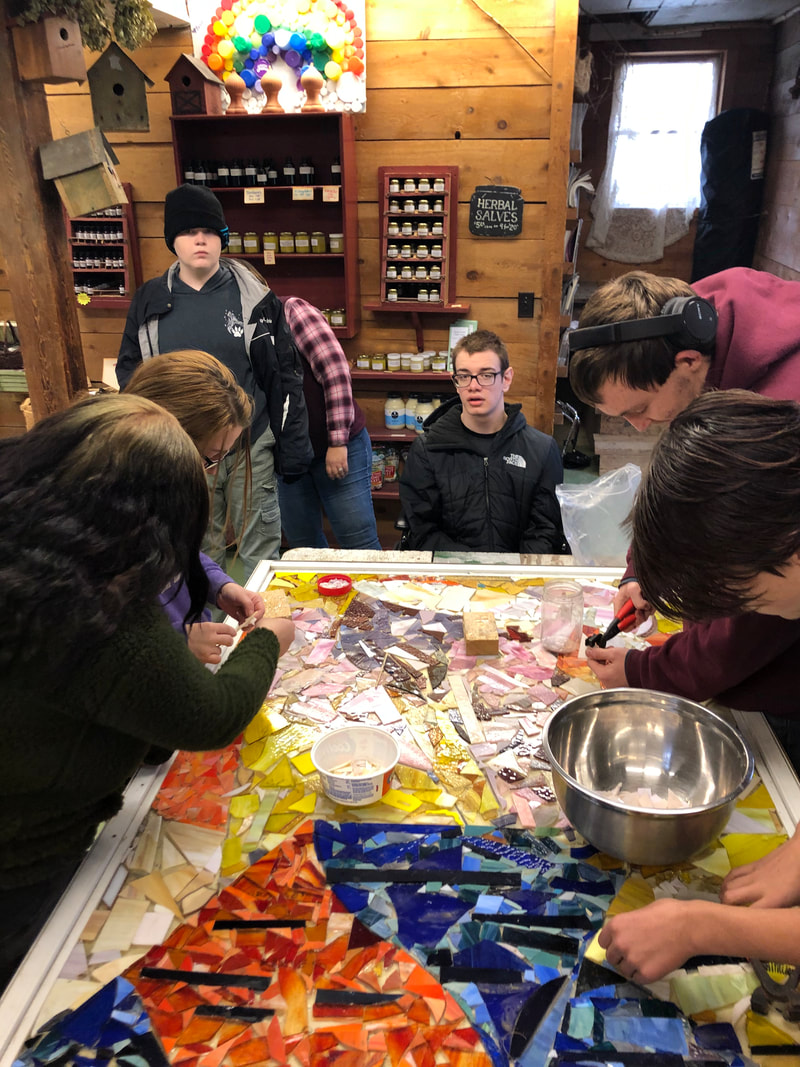
STAINED GLASS MOSAICS
Become a sustainable artist and create beautiful mosaics out of recycled stain glass and sliding doors. Your art work is on display with the 100,000+ visitors who have come to Quiet Creek since 1996.
Become a sustainable artist and create beautiful mosaics out of recycled stain glass and sliding doors. Your art work is on display with the 100,000+ visitors who have come to Quiet Creek since 1996.
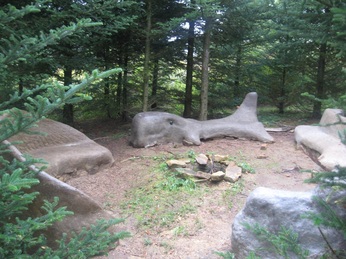
EARTHEN BENCHES
Come relax on the earthen benches at Harmons Fire Circle. Bring your musical instruments and join in on the fun.
|
SOLAR-AERATED SPRING-FED POND Come and relax at the 1/2 acre pond with many permaculture uses: food, irrigation, recreation, education, and more. 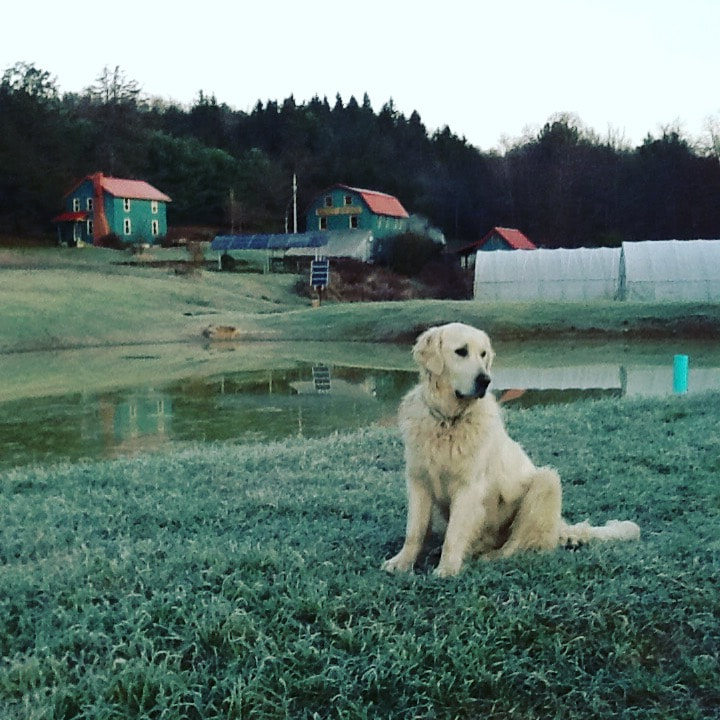
|
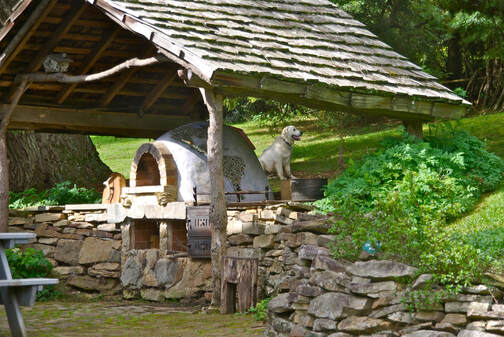
EARTHEN OVEN
Create a feast in the earthen benches and bake pizzas in 2 minutes topped with Quiet Creek's farm-to-table pesto, cheeses, tomato and mushrooms. MUSHROOMS The world of fungi is truly fascinating whether mushrooms are a part of your diet or not. Their use as food and medicine dates back to ancient Asian cultures but has only begun to appear in US relatively recently. The amazing nutritional and medicinal properties along with research into the use of fungi to aid in remediating ecologically damaged areas, are bringing mushrooms back into the public eye. The reaches of this kingdom are a lot larger than most of us can imagine so if button mushrooms and portabellas aren’t for you, there are many other flavors, tastes and textures that might be perfect. Their uses beyond the kitchen for mycoremediation are equally as impressive. Mushrooms can be cultivated or found in the wild but it is important to remember that many mushrooms are poisonous and deadly to consume. Do not eat mushrooms unless you are completely confident in their identification. We also recommend all mushrooms be cooked before they are eaten. The cell walls of mushrooms are composed of chitin which makes them very hard to digest raw. We offer mushroom classes and workshops a few times a year to provide those interested with knowledge of mushroom cultivation and wild foraging techniques. We sell mushroom logs as well as fresh mushrooms (when available), and shiitakes dried as slices, caps or powder. We also have books and literature available. |
|
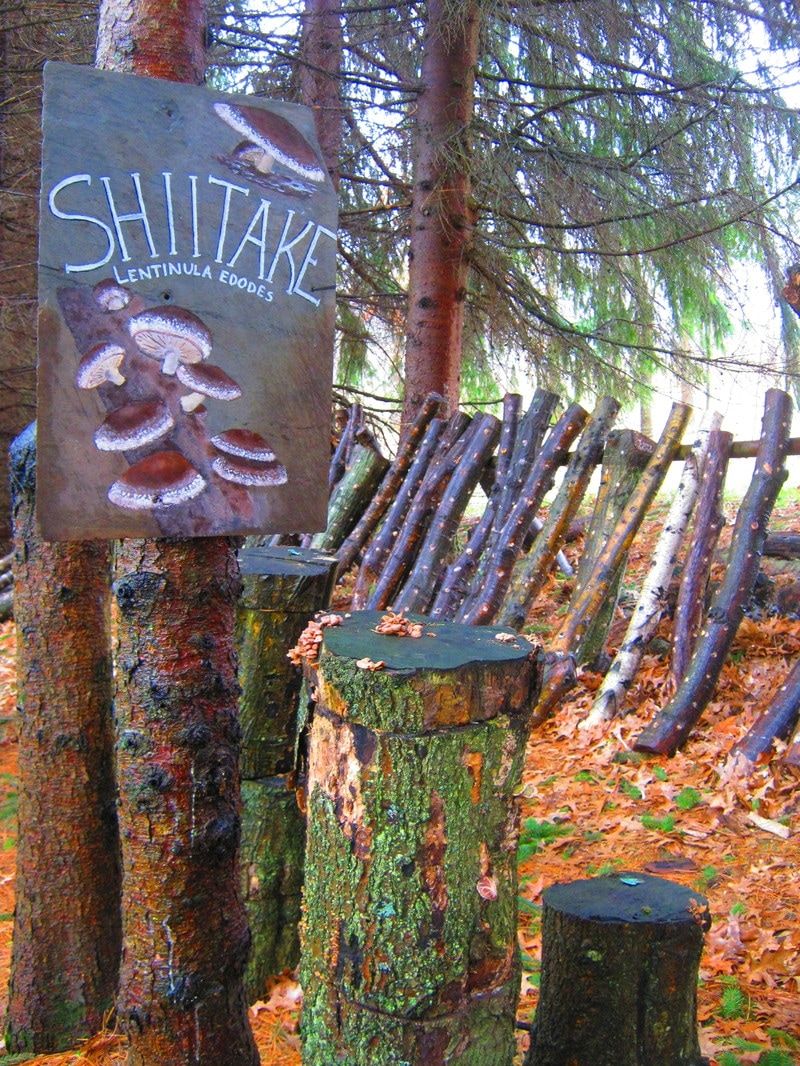
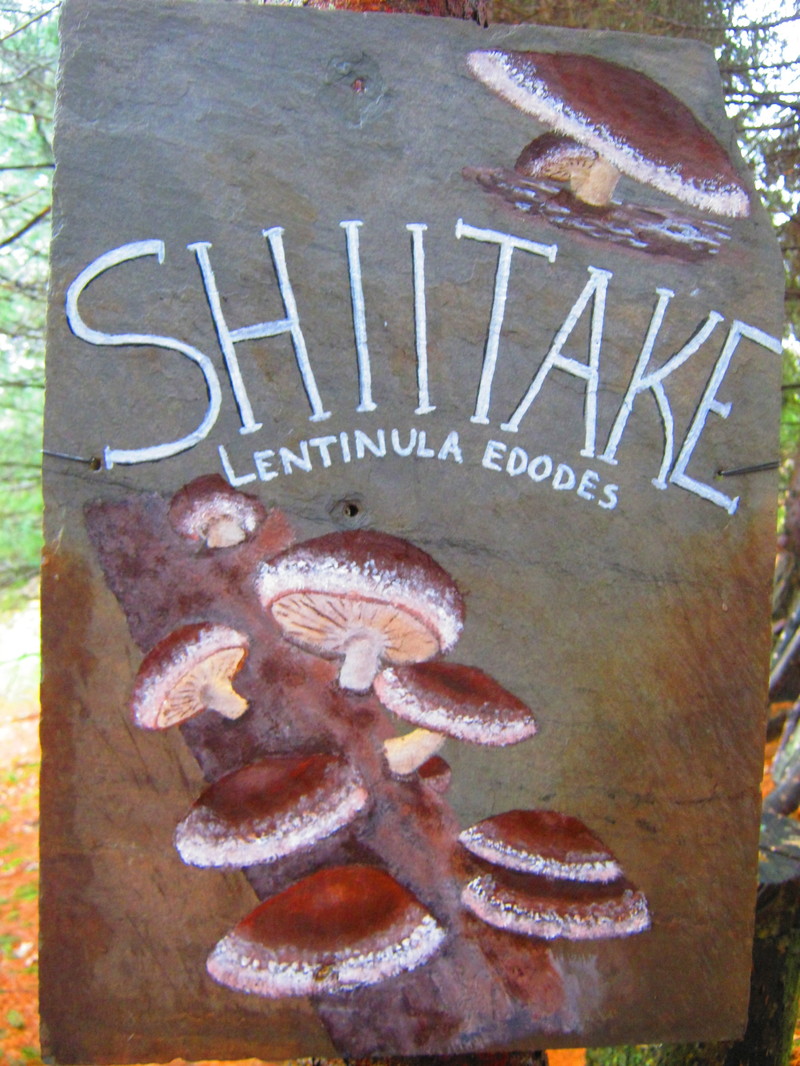
Lentinula edodes (Shiitake)
Shiitakes are native to East Asia where they are grown on the shii tree (Castanopsis cuspidata), hence the name Shiitake. The shiitakes we eat and sell in the Quiet Creek shop are all cultivated here on the farm. We inoculate around 300 fresh-cut hardwood logs per year with sawdust spawn each spring. As with most mushrooms, shiitakes can be picked fresh and cooked or preserved through drying, powdering or canning. They are fairly predictable producers and the mushrooms have a nice flavor and texture. They are great as toppings on pizzas and salads and make delicious stuffed mushrooms. The shiitake mushroom is anti-bacterial, anti-fungal, anti-viral (Herpes simplex, influenza, vesicular stomata, HIV), anti-tumor, anti-inflammatory, anti-candida, lowers blood pressure, moderates blood sugar, reduces cholesterol, acts as an immune enhancer, kidney tonic, stress reducer, anti-cancer agent (breast, cervical, gastric, leukemia, liver, melanoma, prostate, skin). When grown outdoors and sundried gills up they contain 46,000 IU/100g of vitamin D. (Stamets 41) |
|
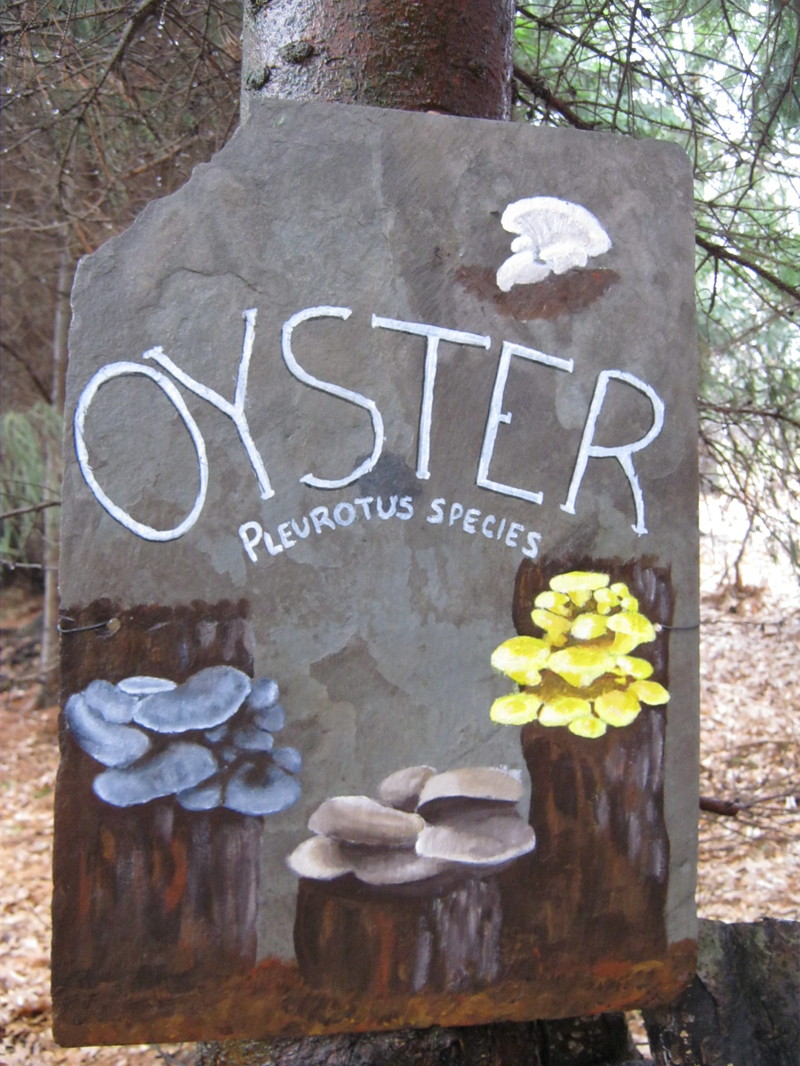
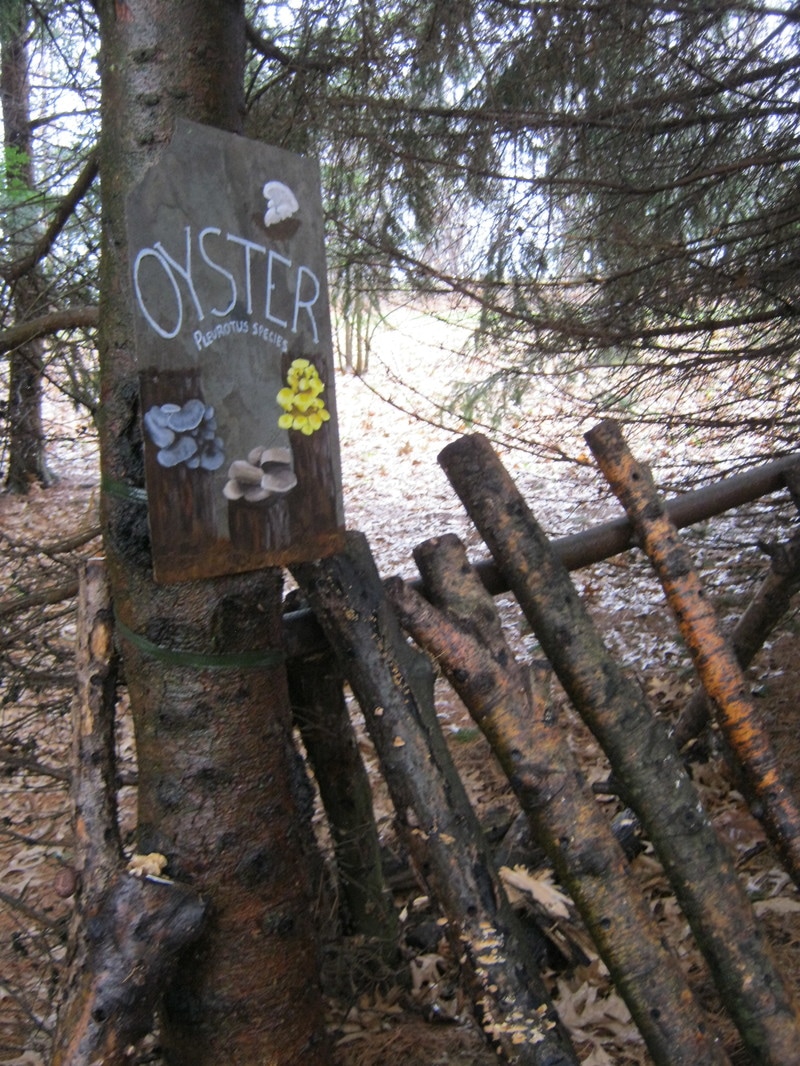
Pleurotus species (Oyster)
The Pleurotus genus includes many species of oyster mushrooms including King Oysters, Yellow Oysters, Blue Oysters, Pink Oysters and many more. We cultivate oysters on totems and inoculated logs. They have high levels of copper, zinc, potassium and vitamin C (Rogers 344). They contain up to 50% dietary fiber (Stamets 201). They are antibacterial, antiviral, help regulate blood pressure, improve cardiovascular health, reduce cholesterol and act as a nerve tonic. It is shown to be effective against sarcoma. (Stamets 40-41) |
|
|
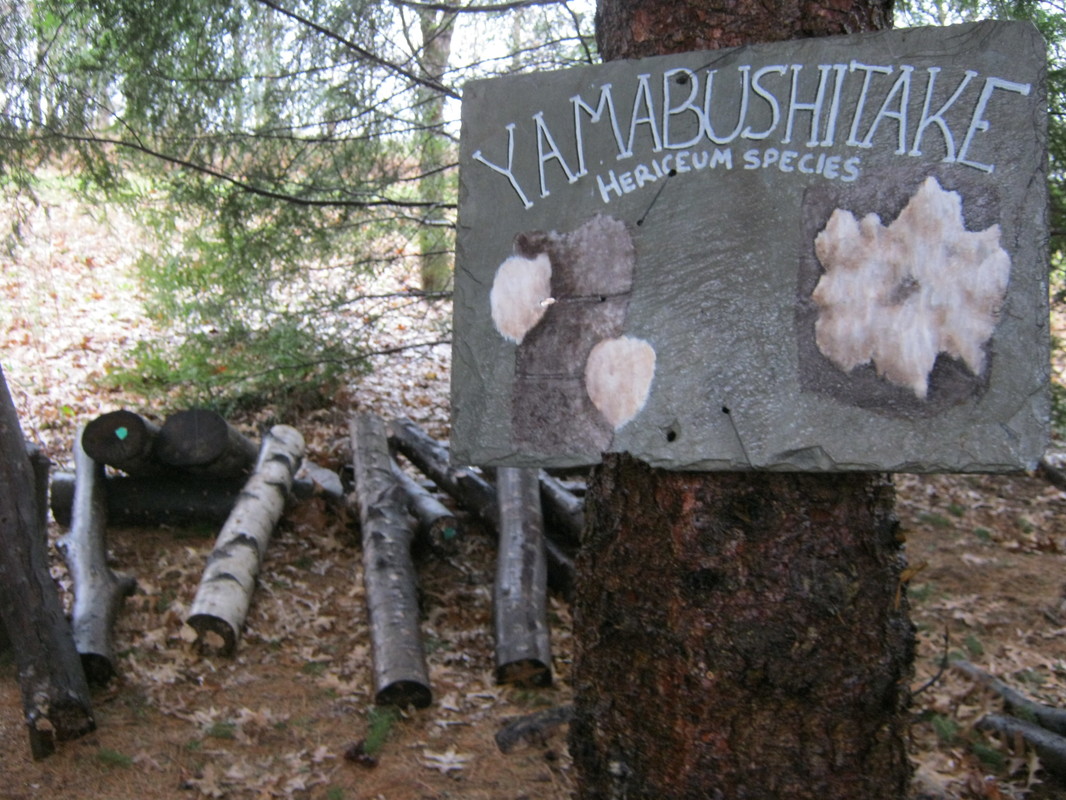
Hericeum species [Yamabushitake/Lion’s Mane (Hericeum erinaceus), Comb Tooth (Hericeum abietis]
An odd mushroom in its appearance, texture and lobster-like flavor, Lion’s Mane and Comb’s Tooth are truly unique. At Quiet Creek they are cultivated on totems and logs inoculated with sawdust plugs. They are strikingly white and toothy in appearance, growing in a clumped form rather than the typical stem and cap form of many mushrooms. We prefer their flavor in a soup but they can be prepared many other delicious ways as well. Lion’s Mane mushrooms are antibacterial, anti-Candida, anti-inflammatory, antitumor and effective as a nerve tonic. Studies have shown their effectiveness against gastric/stomach and liver cancers. (Stamets 40-41) |
|
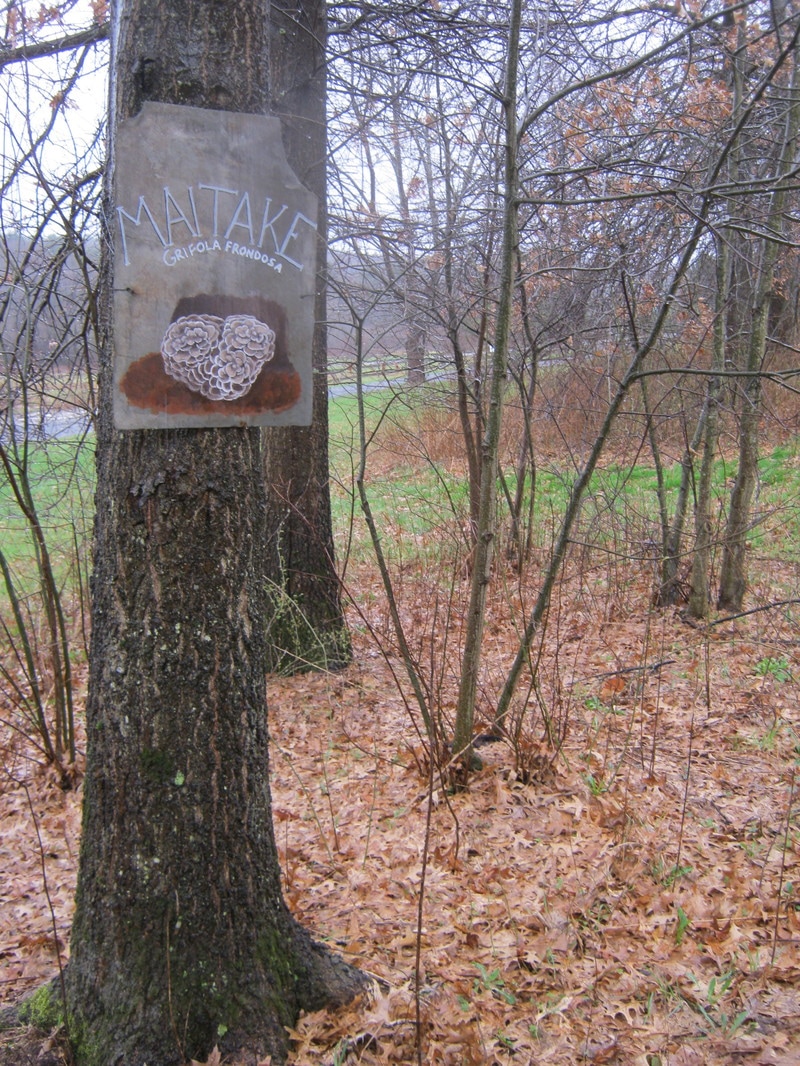
Grifola frondosa (Hen-of-the-woods, Maitake, Sheep’s Head)
|
|
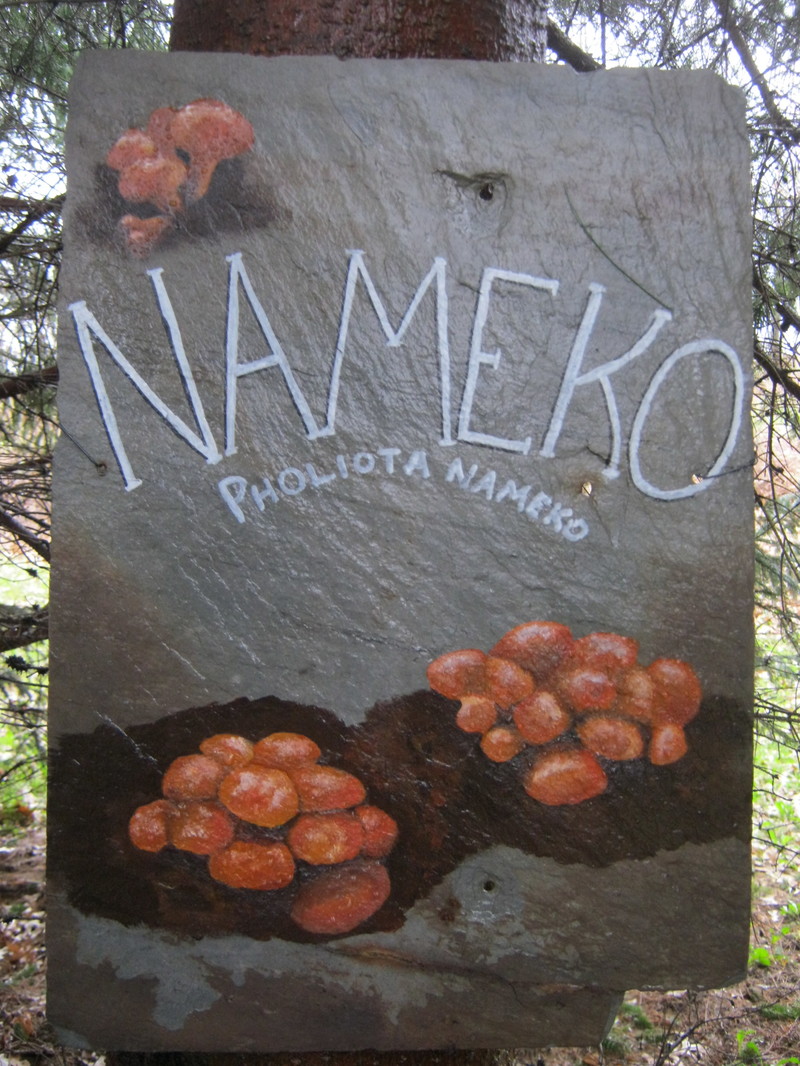
Pholiota nameko (Nameko, Slimy Pholiota)
|
Ganoderma lucidum (Reishi)
This polypore shelf fungi, traditionally used in Japanese, Chinese and Korean culture, grows in the US on Eastern Hemlocks. Reishi are not edible in their whole form but are generally prepared and consumed as a tea or powder additive. (Cotter 288) They are known for their huge range of medicinal uses including antibacterial, anti-Candida, anti-inflammatory, antioxidant, antitumor and antiviral properties. Reishi also moderate blood pressure and blood sugar, boost the cardiovascular system, reduce cholesterol, strengthen the immune system and help with stress reduction. The mushrooms are useful as a tonic for the kidneys, liver and nerves. They contain anti-cancer agents and are shown to be effective against cancers including leukemia, liver, lung, prostate and sarcoma. (Stamets 40-41)